Got a project in mind?
We’d love to hear about it.

Get in touch
Yellow Peach web design agency

How Much Does a WordPress Website Cost in the UK? (2026 Guide)

Yellow Peach
written by Will

Guides

One of the first questions that comes up when starting to research a new website project is: how much will it cost?

How much does a WordPress website cost?

In short, in 2026, a WordPress website could cost you anywhere between a few hundred pounds and well over £50,000. 

That’s clearly a huge range, but it’s not because agencies are making prices up. Every website has different goals, levels of complexity and expectations, which all influence the amount of work involved.

If you’re looking for a simple brochure website with a handful of pages, your investment will naturally be very different from a bespoke publishing platform, eCommerce store or membership website with custom integrations.

In this guide, we’ll explain the factors that affect the cost of a WordPress website, what you’re paying for, the differences between DIY, freelance and agency-built websites, and how to compare quotes with confidence.

The aim isn’t to convince you to spend more than you need to. Quite the opposite. By the end of this guide, you should have a much clearer idea of what type of website is right for your business and what represents good value.

At a glance

  • WordPress websites in the UK typically range from a few hundred pounds to well over £50,000, depending on their scope and complexity.
  • The biggest cost isn’t WordPress itself; it’s the time spent planning, designing, developing, testing and launching the website.
  • Discovery, content migration and SEO migration are often overlooked but can make up a significant proportion of a project’s budget.
  • Not every business needs a bespoke WordPress website. Sometimes a simpler solution is the better investment.
  • A well-planned website should continue delivering value for years, making it a worthwhile investment.

Why do WordPress website prices vary so much?

One of the biggest misconceptions we encounter is that there should be a standard price for a WordPress website. But that’s a bit like asking, “How much does a house cost?” The answer depends on the size, location, specification and purpose. Websites are no different.

Two companies might both ask for “a new WordPress website”, but the work involved could be completely different.

One business may need:

  • Five static pages
  • A contact form
  • Basic SEO
  • A quick turnaround

Another might require:

  • Hundreds or thousands of pages to migrate
  • Multiple user roles
  • Membership functionality
  • eCommerce
  • CRM integrations
  • Advanced search
  • Multilingual content
  • Bespoke editorial workflows
  • Complex API integrations

Both are WordPress websites, but they’re completely different from one another. WordPress is a versatile platform, after all. This is why comparing quotes on price alone rarely gives you the full picture. You need to understand what each quote includes. 

Custom WordPress website

What are you actually paying for?

Many people understandably assume they’re just paying for “a website”. In reality, they’re investing in the expertise required to deliver a successful digital product.

The WordPress software itself is free and open source. The investment comes from everything that surrounds it, typically:

  • Discovery and strategy
  • User experience planning
  • Information architecture
  • Visual design
  • Front-end and back-end development
  • Quality assurance and testing
  • Content migration
  • Technical SEO
  • Performance optimisation
  • Accessibility considerations
  • Project management
  • Launch planning
  • Training and documentation
  • Ongoing support

Each of these disciplines contributes towards the final result. A cheaper quote may simply include fewer of these stages or spend less time on them.

That doesn’t necessarily make it a bad quote, but it’s important to understand exactly what’s included before comparing prices.

The biggest cost isn’t WordPress

WordPress is just the platform. And it’s free. The majority of your investment actually goes into the people planning, designing, building and testing the website.

You can think of WordPress as the foundation. The cost comes from designing and constructing everything that sits on top of it. That’s why two agencies can produce very different quotes for what is, on the face of it, the same project.

One may approach the project with a pre-built theme and minimal customisation. Another might create a completely bespoke design, developing reusable components, carrying out extensive discovery workshops and carefully planning your SEO migration.

Neither approach is inherently right or wrong. It depends entirely on your objectives.

Not everyone needs a bespoke WordPress website

We specialise in bespoke WordPress websites. So, this may sound counterintuitive, but not every business needs something built specifically for them.

Most of our projects start at around the £15k mark. That reflects the amount of planning, design, development and testing involved in delivering a fully custom solution. But that doesn’t mean you should spend that much.

If you’re launching a new business and simply need a professional five-page brochure website, investing £15,000 is unlikely to be a sensible investment, at least initially. 

In those situations, a website built using a platform like Framer – or even a carefully selected WordPress theme – may be a much more appropriate option. The right solution isn’t always the most expensive one.

Instead, match your platform, approach and scope with your business objectives, budget and short- to mid-term plans. 

Conversely, if your website is central to generating enquiries, selling products or publishing content every day, investing in a bespoke solution can often pay for itself quickly and many times over.

You don’t need to launch with every feature

Another common misconception is that every idea, feature and bit of functionality needs to launch on day one of your new website. In reality, many of the most successful projects are delivered in phases.

Our process, for instance, is to build websites using a component-based approach. Rather than creating one-off page layouts, we develop flexible, reusable content components that can be combined throughout the site. This allows projects to be far more adaptable.

For example, one client may launch with 20 bespoke components because that’s all they need for phase one. As the business grows, additional functionality, templates or integrations can be introduced without rebuilding the website from scratch.

This approach also provides greater focus and flexibility when budgets or timescales are tight. Instead of removing quality, you simply prioritise the features that will deliver the biggest impact first.

That often leads to a better outcome than trying to squeeze every possible requirement into an initial launch.

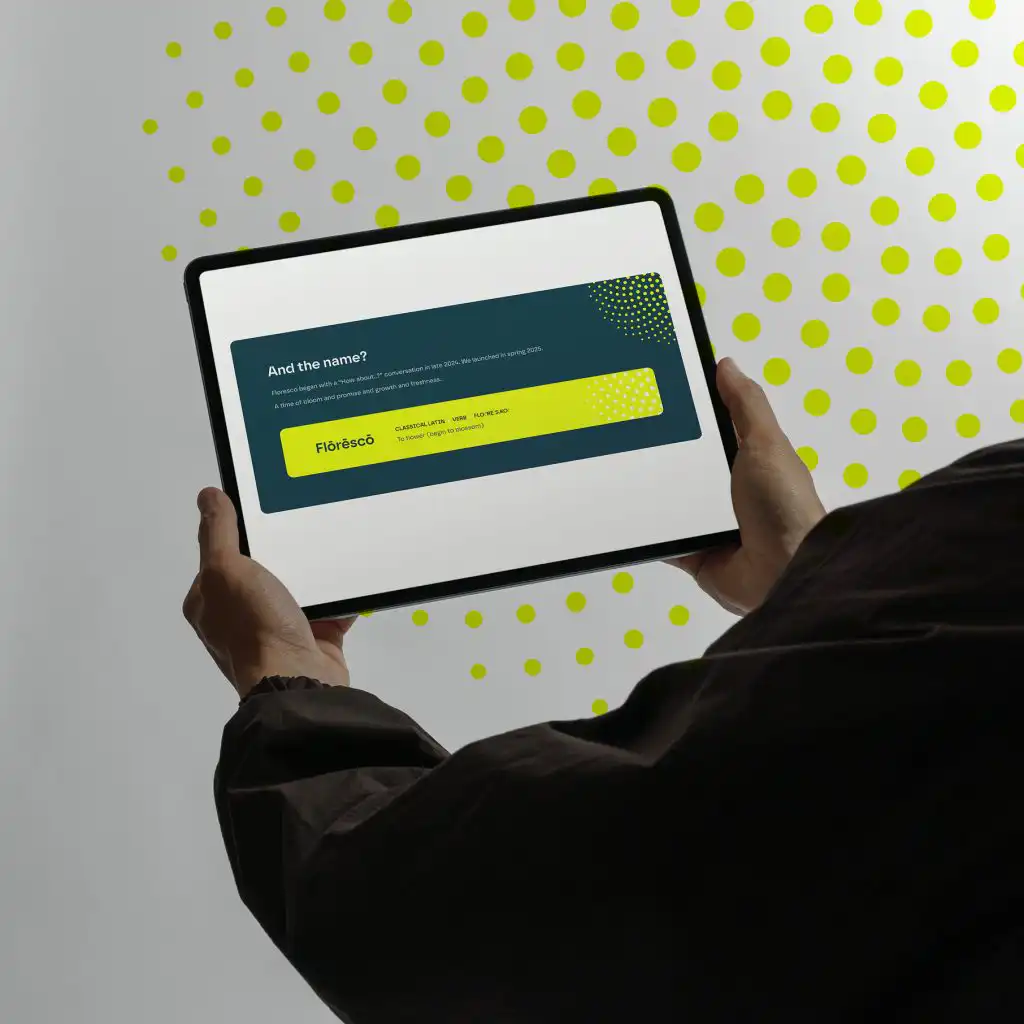
Paid media agency website on tablet

What affects the cost of a WordPress website?

As we’ve shown, no two website projects are the same. And many factors influence the cost of every project. However, there are a handful of factors that have the biggest bearing on cost. 

Understanding these more impactful factors before requesting quotes will help you compare proposals much more fairly.

Bespoke design vs template websites

One of the core decisions in any website project is whether your website will use an existing theme or be designed from scratch.

A template-based website uses an off-the-shelf design that’s customised to suit your brand. This approach is generally faster and more affordable, making it a good choice for smaller businesses or projects with straightforward requirements.

A bespoke website starts with a blank canvas.

Instead of adapting an existing layout, every page, interaction and component is designed specifically around your users, brand and business objectives. It gives far greater flexibility and helps create a website that’s distinctive, scalable and easier to evolve.

Neither approach is inherently better. 

If your website is simply an online brochure, a template may be all you need. If it’s central to generating leads, supporting your sales team or delivering your services, investing in a bespoke design often makes much more commercial sense.

Functionality and custom development

This seems obvious to say, but the more your website needs to do, the more development time it requires. Examples of functionality that commonly increase project scope include:

  • eCommerce
  • Membership areas
  • Customer portals
  • Booking systems
  • Advanced search and filtering
  • Multi-language support
  • Interactive calculators
  • API integrations
  • CRM synchronisation
  • Custom editorial workflows
  • Bespoke Gutenberg components

Individual features are unlikely to significantly drive costs up. More often, it’s the cumulative effect of several bespoke requirements, each requiring planning, development, testing and ongoing support.

Integrations and third-party platforms

Most modern websites rely, in some way, on integrations and third-party platforms and systems. They rarely operate in isolation.

These integrations include CRMs, email marketing platforms, payment gateways, inventory systems or bespoke internal software.

And while some integrations are relatively straightforward, others require custom API development, authentication, data mapping and ongoing maintenance.

It’s also worth remembering that many third-party services carry their own subscription or licensing costs, which sit outside the website budget itself.

Content creation and migration

This is one of the most underestimated parts of any website project. It always takes longer than you think.

If you’re launching a brand-new business with ten pages, content population may be relatively straightforward. However, replacing an existing website is very different.

Large websites can contain hundreds or even thousands of pages, articles, images and downloads. While some structured content can be migrated using automated tools, it’s rarely as simple as pressing a button.

Different page layouts, new content structures and improved user journeys often mean pages need to be reviewed, refined and rebuilt manually.

Content migration isn’t just about moving text from one website to another. It’s about making sure everything still works, looks right and provides a better experience than the website it’s replacing.

And then there’s SEO migration

One area that’s often overlooked – or, at least, thought about far too late – when comparing quotes is SEO migration.

Your existing website may have built up years of search visibility, backlinks and authority. If that isn’t handled carefully during a redesign, those rankings can disappear surprisingly quickly (literally overnight).

A well-planned migration should include:

  • Auditing existing URLs
  • Planning redirects where page URLs change
  • Preserving metadata where appropriate
  • Maintaining internal linking
  • Retaining structured data
  • Monitoring indexing after launch
  • Identifying and resolving crawl errors

A successful website launch is about so much more than publishing a sparkly new design. It’s about ensuring the authority you’ve spent years building isn’t lost during the transition.

Web development conversation

Discovery and planning

No website project begins with a designer opening Figma. In reality, the design stage is pretty much always preceded by weeks of research, workshops and planning.

A thorough discovery phase helps ensure everyone is aligned before a single design is produced. Depending on the project, this may include:

  • Stakeholder workshops
  • Reviewing analytics and user behaviour
  • Competitor analysis
  • Defining project objectives
  • Planning information architecture
  • Creating sitemaps
  • User journey mapping
  • Moodboards and visual exploration

Investing time upfront often saves both time and money later in the project. Changes made during discovery are inexpensive. But changing tack halfway through development is far more costly.

Why do agency quotes vary so much?

It’s common for businesses to receive quotes that differ by several thousand pounds – or even tens of thousands – for the same core brief. That doesn’t necessarily mean one agency is overcharging or another is undercharging.

Lower-cost quote Higher-cost quote
Existing WordPress theme Fully bespoke design
Limited discovery Strategic discovery workshops
Standard functionality Custom-developed features
Minimal QA Comprehensive testing across devices and browsers
Basic content upload Full content migration and optimisation
Limited SEO consideration Detailed SEO migration and technical optimisation
Basic handover Training, documentation and ongoing support


The important thing isn’t simply comparing the final figure. It’s understanding what’s included, what’s excluded and what assumptions have been made within each proposal.

Sometimes paying less is absolutely the right decision. Equally, paying more can represent significantly better value if it reduces future redevelopment, improves performance or delivers a better return over the lifespan of the website.

WordPress website cost breakdown (UK)

As we’ve established, every project is different; the guide below provides a realistic indication of what you can expect to invest in a WordPress website in the UK.

These figures shouldn’t be viewed as fixed pricing. Instead, they provide context around the level of investment typically associated with different types of projects.


Website type Typical investment Best suited to
DIY WordPress £100–£1,000 Personal websites, hobby projects, very small businesses
Freelancer £1,500–£8,000 Brochure websites and straightforward marketing sites
Small agency £5,000–£20,000 Growing businesses requiring bespoke design and functionality
Bespoke WordPress agency £15,000–£75,000+ Businesses where the website is a key marketing or operational asset
Enterprise platforms £50,000–£250,000+ Publishers, ecommerce brands, membership platforms and complex digital products


DIY WordPress websites (£100–£1,000)

If you’re comfortable learning new software and your requirements are relatively simple, building a website yourself can be a cost-effective option.

Your costs will typically include:

  • Hosting
  • Domain registration
  • A premium theme (optional)
  • Premium plugins (optional)

This approach is ideal for personal projects, start-ups or businesses that simply need an online presence.

However, you’ll also be responsible for the design, content, security, updates, performance and ongoing maintenance. As your business grows, many DIY websites eventually reach a point where they need rebuilding to support new requirements.

Freelance WordPress websites (£1,500–£8,000)

Working with a freelancer can be an excellent middle ground between DIY and an agency. You’ll often receive a more personalised service than from larger agencies, and costs are generally lower due to reduced overheads.

Freelancers are often a great fit for:

  • Brochure websites
  • Small marketing websites
  • Landing pages
  • Campaign microsites

One thing to consider is that you’re typically working with a single individual. That means they’re often responsible for everything from project management and design through to development, testing and launch.

For many projects, that’s absolutely fine. However, it’s worth recognising that capacity is naturally more limited. If they’re on holiday, unwell or committed to another project, there may not be someone else available to pick things up immediately.

For larger or more business-critical websites, some organisations prefer the resilience of an agency, where multiple specialists can contribute to the project and provide ongoing support.

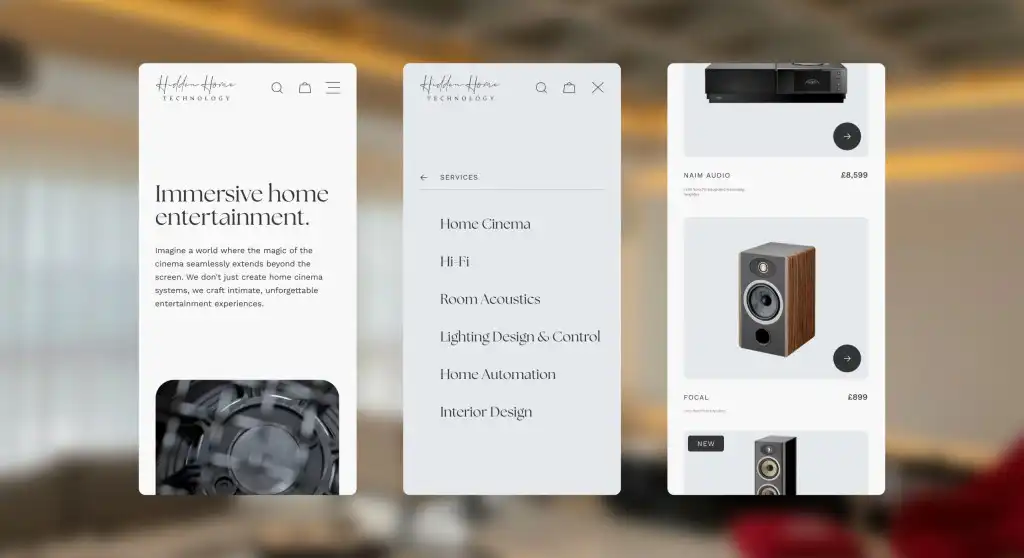
Mobile website designs

Agency-built WordPress websites (£15,000+)

A bespoke agency project typically involves far more than designing and developing a website. It combines strategy, user experience, technical expertise and ongoing support to create a website that’s built around your business objectives.

A typical agency project may include:

  • Discovery workshops
  • User experience planning
  • Bespoke design
  • Custom WordPress development
  • Technical SEO
  • Performance optimisation
  • Accessibility considerations
  • Quality assurance
  • Content migration
  • SEO migration
  • Training
  • Launch support

Most of our bespoke WordPress projects begin around the £15,000 mark. That reflects the amount of planning, design and development involved in creating a completely custom solution rather than adapting an existing template.

That said, we’re equally honest when we don’t think a bespoke build is the right investment.

If a business only needs a small brochure website with a handful of pages, we’d often recommend a more suitable approach. Platforms such as Framer can provide an excellent, professional website at a significantly lower cost, allowing businesses to invest elsewhere until a bespoke solution becomes commercially worthwhile.

The ongoing costs of a WordPress website

Launching your website is only part of the investment. It will need ongoing maintenance to remain secure, reliable and effective.

Typical ongoing costs include:

Item Typical cost
Domain renewal £10–£30 per year
Managed hosting £20–£300+ per month
Premium plugin licences £50–£500+ per year
WordPress maintenance £75–£500+ per month
Content updates Varies
New feature development As required


These costs will vary depending on the complexity of your website, traffic levels and support requirements.

For businesses where the website generates leads or revenue, proactive maintenance is usually a worthwhile investment. Regular updates, security monitoring, backups and performance optimisation help reduce the risk of downtime and ensure the website continues to evolve alongside the business.

Is a bespoke WordPress website worth the investment?

The answer to this question depends entirely on the role your website plays within your business. If it’s simply an online brochure that receives very little traffic, investing tens of thousands of pounds is unlikely to make commercial sense.

However, if your website generates enquiries, publishes content daily, processes bookings or supports your sales team, it’s probably one of your most valuable business assets. Ask yourself:

“What return should this website generate over the next five years?”

Viewed in that context, the initial investment is often relatively small compared to the long-term value a well-planned website can deliver.

How to get an accurate WordPress website quote

Very simply, the more information you can provide at the beginning of a project, the more accurate – and useful – the quotes you receive are likely to be.

Before approaching agencies, it helps to prepare:

  • A brief overview of your business
  • Your objectives for the website
  • Examples of websites you like
  • A list of required functionality
  • An approximate sitemap
  • Any existing analytics or performance data
  • Your preferred timescales
  • An indicative budget range

You don’t need a detailed specification, but providing context allows agencies to recommend the most appropriate solution rather than making assumptions.

Remember, a good agency should challenge your brief as well as price it. Sometimes the best solution isn’t the one you originally had in mind.

Final thoughts

There isn’t a single answer to the question, “How much does a WordPress website cost?”

The right investment depends on what your website needs to achieve, how important it is to your business and the level of functionality you require.

Whether you’re considering a simple brochure website or a bespoke digital platform, the best advice is to focus on value rather than price alone. A cheaper website isn’t always better value, just as a larger budget doesn’t automatically guarantee a better outcome.

If you’re planning a new WordPress website and would like an honest conversation about what’s appropriate for your business, we’d be happy to help. Even if that means recommending a simpler solution, we’d rather point you in the right direction than sell you something you don’t need.

Share this article

FAQs

  • How much does a basic WordPress website cost in the UK?

    A basic WordPress website typically costs anywhere from a few hundred pounds if you build it yourself, to around £1,500 – £8,000 when working with a freelancer. Bespoke agency projects generally start at a higher investment because they include strategy, custom design and tailored development.

Looking for an answer that’s not here?

Get in touch

Ready to push your platform?

Ready to push your platform?

Ready to push your platform?

Ready to push your platform?

Ready to push your platform?

Ready to push your platform?

Ready to push your platform?

Ready to push your platform?

Ready to push your platform?

Ready to push your platform?

Ready to push your platform?

Ready to push your platform?

Ready to push your platform?

Ready to push your platform?

Ready to push your platform?

Ready to push your platform?

Ready to push your platform?

Ready to push your platform?

Ready to push your platform?

Ready to push your platform?

Ready to push your platform?

Ready to push your platform?

Ready to push your platform?

Ready to push your platform?

Ready to push your platform?

Ready to push your platform?

Ready to push your platform?

Ready to push your platform?

Ready to push your platform?

Ready to push your platform?

Ready to push your platform?

Ready to push your platform?