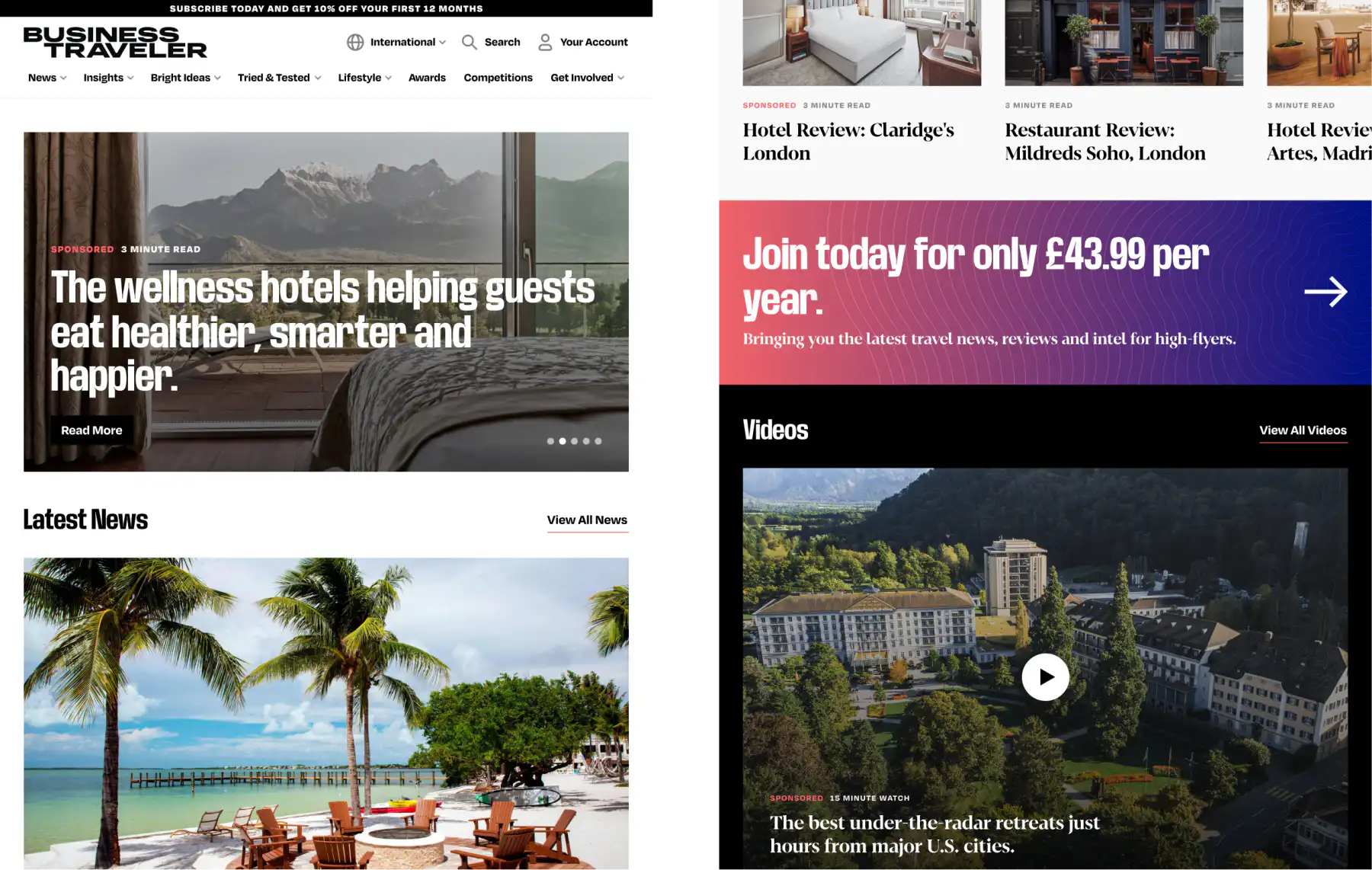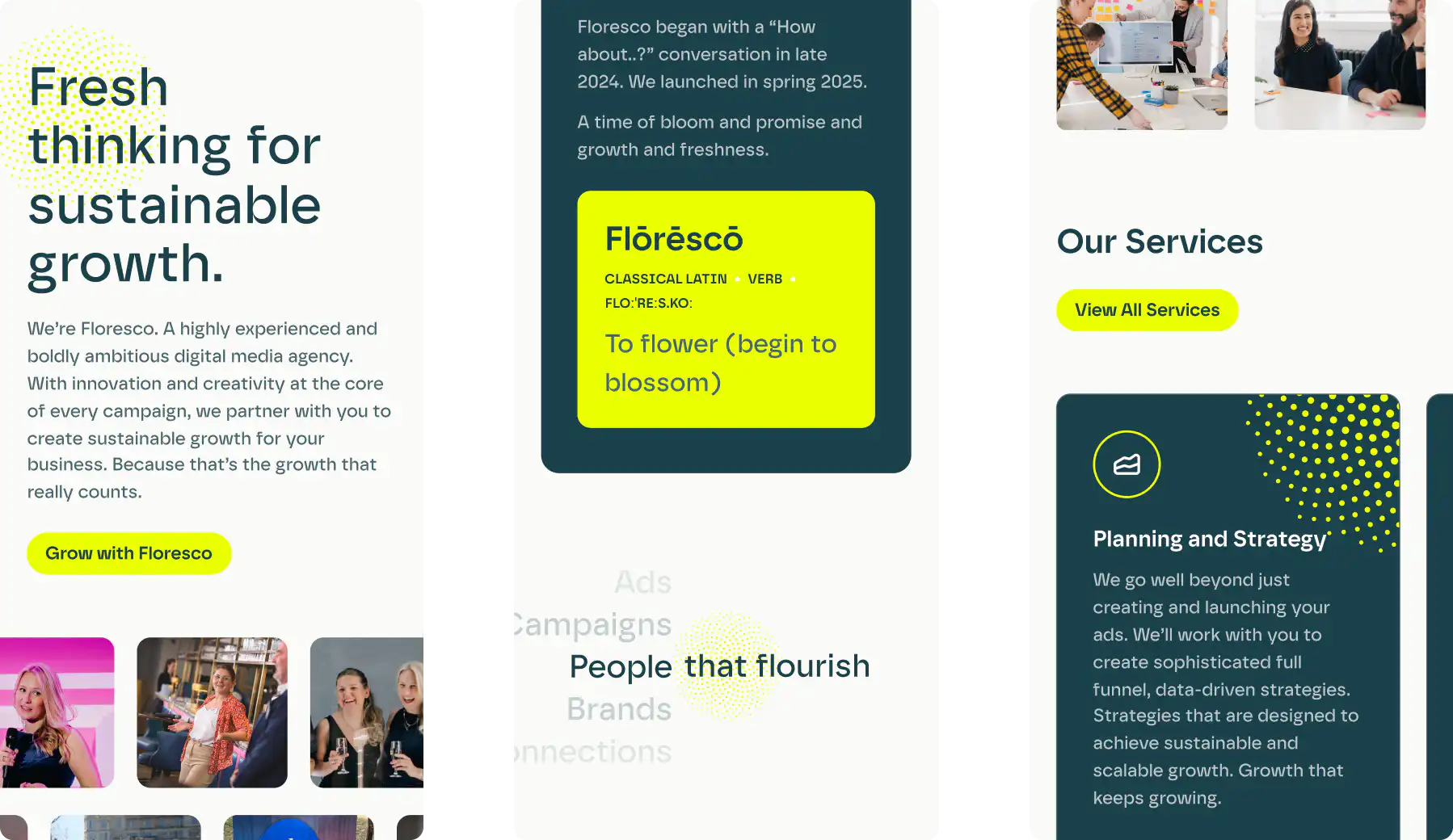
We design and develop high-performance WordPress websites for publishers and media brands, making it simpler to publish, grow your audience and evolve your platform.





Publishing websites bring editorial, marketing, commercial and technical teams together, each with different requirements from the same platform.
Our publishing experience shapes everything from editorial workflows and content structure to monetisation, integrations, SEO and performance – creating a platform that works just as well behind the scenes as it does for your audience.
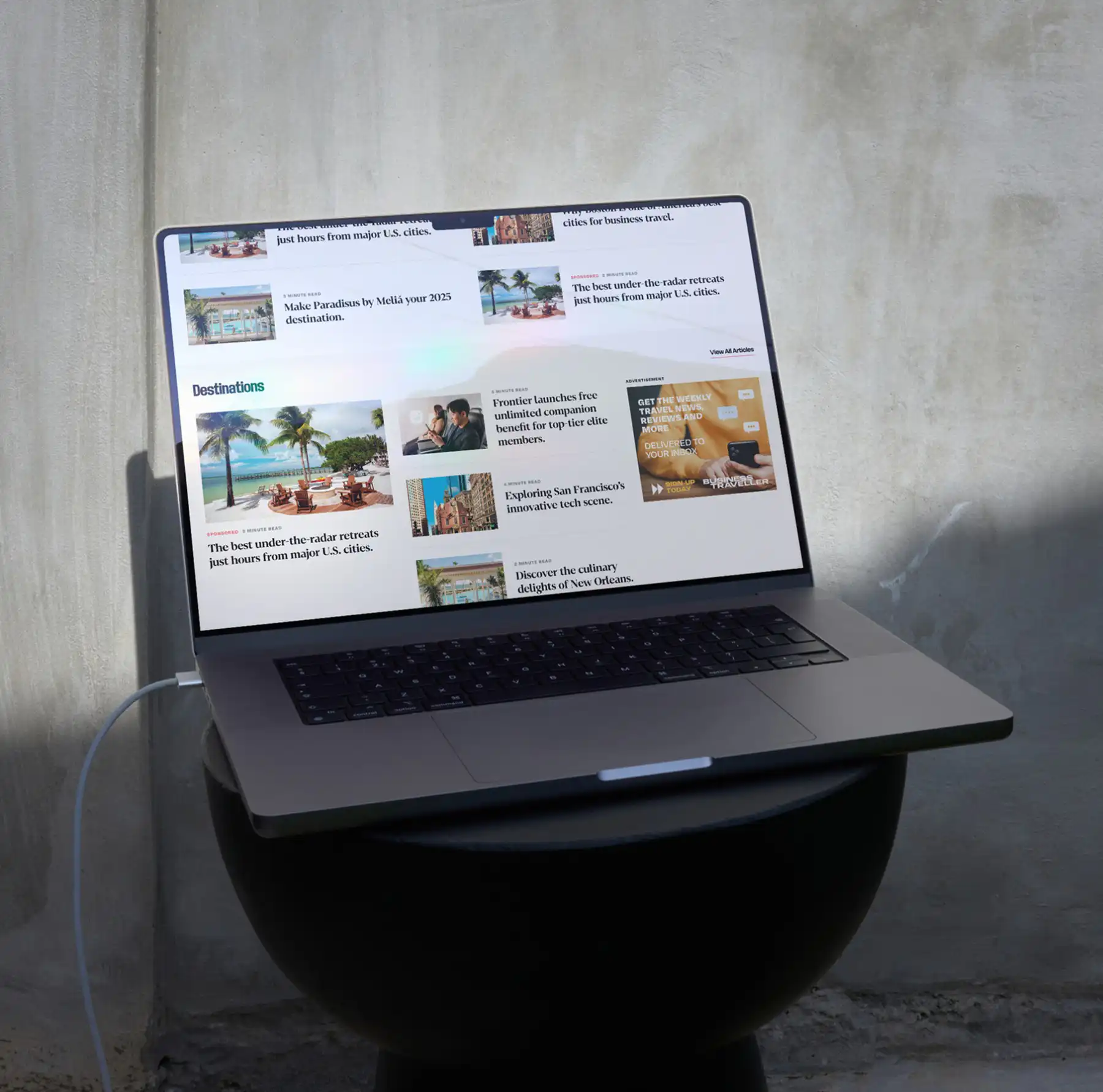
Publishing involves multiple teams, stakeholders and contributors. Give everybody too little control and the development team becomes a bottleneck. Give everybody complete freedom and things can get messy surprisingly quickly.
We build publishing platforms around the people who actually have to use them.
Editors shouldn’t need to understand the underlying website architecture to publish something brilliant.
We create flexible, component-based publishing systems that give editorial teams control over layouts while keeping the design system intact. Reusable content modules, sensible permissions and intuitive WordPress editing make it easier to create rich editorial experiences without falling back on developers for routine changes.
It’s a balance we’ve spent a lot of time getting right: enough flexibility to do something interesting, without every article gradually becoming its own website.
Publishing doesn’t stop when somebody presses Publish.
Strong technical SEO, sensible content structures and fast page performance give your content the best possible foundation for organic growth. We think carefully about metadata, taxonomy, internal linking, structured content and how large publishing archives are crawled and discovered.
Marketing teams also need room to experiment. Landing pages, newsletter promotions, campaigns, lead capture and subscription journeys shouldn’t require rebuilding the website around them.
Good publishing platforms create commercial opportunities without making every page feel like one.
We can integrate third-party advertising platforms, build on-site advertising solutions, support sponsored and affiliate content, and create subscription or membership journeys around your publishing model.
Where commercial systems sit outside WordPress, we can connect them through custom APIs and integrations so data moves where it needs to without creating another manual process for your team.
Sometimes you need us to lead the technical delivery. Sometimes you’ve already got a great team and just need more hands, specialist WordPress knowledge or a different set of skills around the table.
We have plenty of experience working as an extension of in-house technical teams, fitting into existing workflows and supporting wherever we’re most useful. That could mean taking ownership of front-end or WordPress development, providing additional development capacity, supporting UX and design requirements, tackling integrations or helping deliver a particular feature or workstream.
We’re comfortable collaborating with developers, product owners and technical leads rather than working around them. No territorial lines or unnecessary handovers — just a team focused on getting the right thing built.

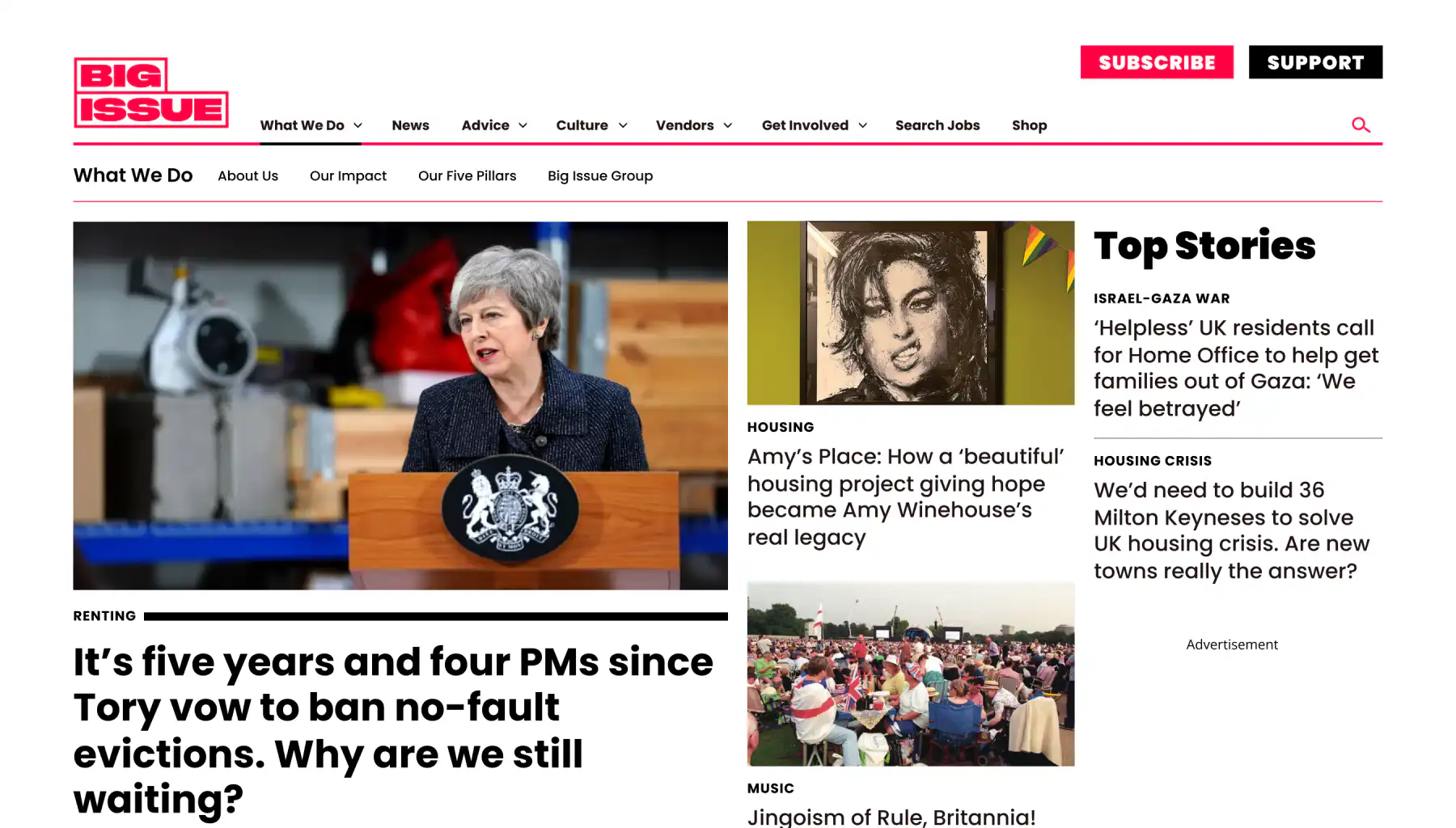
The Big Issue team have had a really positive experience working with Yellow Peach, who manage our website. From the outset they’ve been easy to deal with – friendly, approachable, and always happy to talk things through, making product management straightforward for a non-technical person. One of the things I value most is their practical approach. They don’t overcomplicate things or push unnecessary development, focusing instead on simple, effective solutions that add value.
Senior Marketing Leader @ The Big Issue
Publishing platforms need more than an off-the-shelf theme and a collection of plugins. We build WordPress around real editorial workflows, with structured content, reusable components and carefully considered permissions.
Editors get the freedom to create engaging content without relying on developers for everyday changes, while performance, accessibility and scalability are built into the foundations.
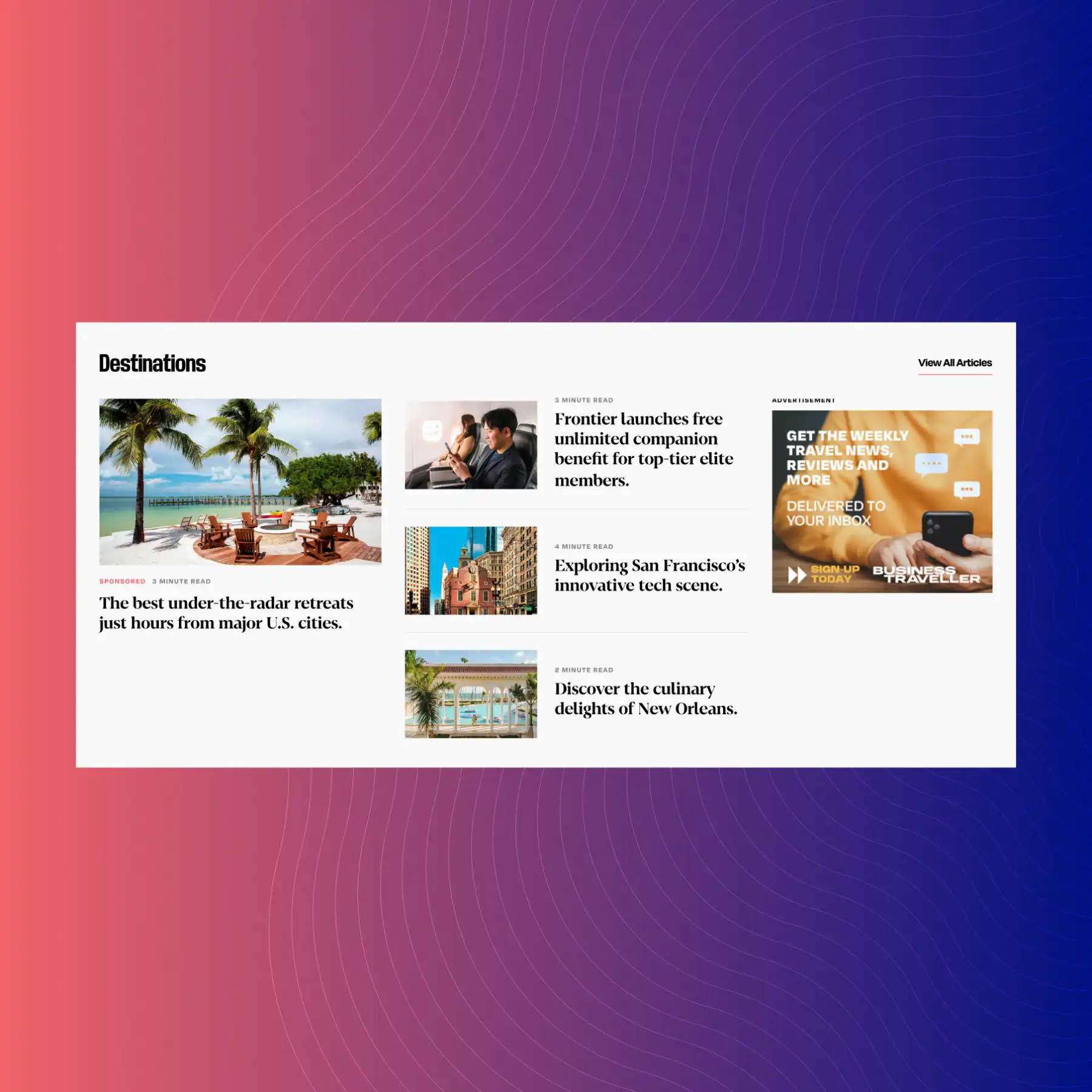
Over the past 12 years, we’ve developed a web design and development process that balances great reader experiences with the editorial, technical and commercial requirements behind modern publishing platforms.
Your project starts with the creation of a clear delivery roadmap. We work closely with you to agree on goals, understand your audiences and publishing workflows, and review existing data and platform requirements.
Taking a user-first approach, we create immersive and accessible front-end experiences that make content easy to discover, read and navigate across all devices. Designs are tested, reviewed, and refined as we go.
We build fast, robust front ends using modern, performance-first practices, underpinned by a custom WordPress CMS designed around editorial workflows. Advertising, CRM, newsletter, subscription and other third-party systems can be integrated seamlessly.
Your content, taxonomies, media and URLs are mapped and migrated carefully to protect SEO, structure and existing audience value. At the same time, we test across devices and browsers, checking performance, accessibility, editorial workflows and stability.
Launch is structured and calm, with controlled deployments and safeguards in place. After launch, we provide ongoing support, optimisation and development as your content, audience and publishing requirements evolve.
Built to support growing audiences, expanding content libraries and traffic spikes without your platform becoming harder to manage.
Flexible WordPress components give editorial teams the freedom to create engaging content while keeping your design and structure consistent.
Performance is built into the foundations, helping content load quickly, strengthening SEO and keeping the experience fast as your platform grows.



Yes. WordPress is built around content and can provide an excellent foundation for publishers, magazines and media brands when developed properly. We use it to create custom publishing platforms with flexible editorial tools, structured content, user permissions, integrations and the performance required for large, frequently updated websites.
Absolutely. WordPress can support large content libraries, high publishing volumes and significant traffic when the underlying architecture and hosting are designed for it. Performance, caching, database efficiency and infrastructure all need to be considered as part of the build rather than treated as an afterthought.
Yes. We can migrate content from existing WordPress installations and other CMS platforms, including complex publishing websites with large archives. We carefully map content, taxonomies, authors, media, metadata and URLs to preserve the structure and value you’ve already built.
Yes. Publishing websites can become slower as content, images, advertising, scripts and integrations accumulate. We can investigate performance issues across the front end, WordPress, database, caching and hosting infrastructure, then identify where improvements will have the greatest impact.
Yes. We build custom integrations between WordPress and the wider systems publishers rely on, including advertising, subscriptions, memberships, newsletters, CRM, analytics and other third-party platforms. Where an API is available, we can usually find a sensible way to connect it.
Yes. We provide ongoing WordPress support, maintenance and development after launch. This can cover routine maintenance and technical support as well as continued development as your editorial, commercial and technical requirements evolve.
SEO is considered throughout the redesign and migration process. We review existing URLs, content structures, metadata and internal linking, plan redirects where required, and make sure important content remains accessible to both users and search engines. For publishers with substantial archives, this is a fundamental part of the project.
Looking for an answer that’s not here?
Get in touch today